
…and shocks, and brakes and steering
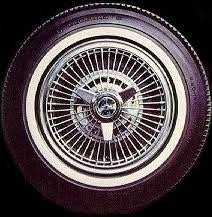
When you get that Corvair home, you may want to make it your own by putting some custom aftermarket wheels on it. Conversely, you may have bought a Corvair that the previous owner customized and may want to take it back to stock. Here we will briefly cover some basics on wheels and tires.
When we are talking stock, there are a few changes in wheel size in the Corvair run from 1960-1969.
- The Corvair passenger car from 1960-1964 (sedans, station wagons and coupes) has a 4 lug rim with a bolt pattern of 4×4.5. The rim is 13″ in diameter and 5.5″ wide. Stock tire size was 7.00-13.
- The Corvair passenger car from 1965-1969 has a 5 lug rim with a bolt pattern of 5×4.75. The rim is 13″ in diameter and 5.5″ wide. Stock tire size was 7.00-13.
- The Corvair FC (pickup trucks and vans) has a 5 lug rim with a bolt pattern of 5×4.75. The rim is 14″ in diameter and 5.5″ wide Stock tire size was 7.00-14
Stock size Corvair tires for the 13″ rim have become more difficult to find as the current trend is for a larger rim size with a smaller sidewall tire size. 14″ and up are widely available and will not be covered here.
Maxxis has been a dependable tire for the 13″ rim. 185/80/R13. Here is a link to the Maxxis tire.
Coker makes outstanding reproductions of classic car tires. There are a variety of styles available from them. While more expensive than Maxxis, they “look” more period correct. Here is a link to the 185/70/R13 Coker selections.
Note : the difference between the /70/ and /80/ above is the aspect ratio of the sidewall. Plainly, the 70 has a slightly smaller sidewall than the 80 on the Maxxis.
When tire shopping, make sure that you choose a tire with the prefix “P”. This tire is rated for a passenger car. Tires that start with “ST” or “T” are trailer tires and are not speed rated for a passenger car. While they are much cheaper than a passenger car tire, they are not built to handle steering and speed ratings of the “P” tire.
One thing to consider, no matter which tire you use is the age of the tire you drive on. A tire should be replaced at the 10 year date, full stop. Tires begin to degrade from the time they are produced and the last thing you want is to be doing 70 down the highway and have a blowout.
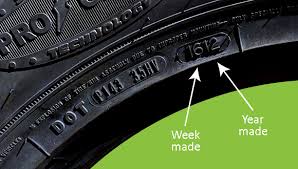
Above is a helpful graphic to decode when your tire was produced. This tire was produced the 16th week of 2012. If your tires do not have this code, they are over 25 years old and should be replaced immediately.
A very important note is regarding tire pressure. A good rule is to run the rear tires 10psi higher in the back than the fronts. Setting the tires at 30psi in the back and 20psi in the front is easy to remember. If you feel the car wandering or floating in the front at higher speeds, you can always remove a little air out of the front tires. Some owners add weight in the trunk. Sand bags, cement, weight plates…. we’ve seen it all.
Aftermarket and specialty rims are a personal preference. Often with custom applications, backspacing needs to be considered. We will not cover that here, but please refer to the Corvair Center Forum to address this topic.
Shocks
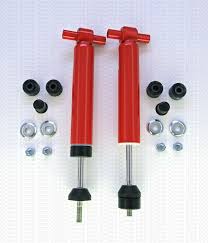
We will keep this one short and sweet. If you hit a bump in your Corvair and the car keeps bouncing after you hit the bump, you need new shocks. There are hundreds of Corvair listings on the internet, but it’s a roll of the dice if you actually get the right ones. Buy the right ones HERE from Clark’s Corvair Parts and save yourself the headache.
Brakes
While it’s fun to go fast, it’s important to be able to stop fast! If you don’t know the last time your brake fluid was changed, flush the system! For most of us DOT 3 brake fluid is fine. It’s available everywhere. Check your hoses for cracks or hardness. Check your cylinders for seeping. There are countless brake bleeding/flushing tutorials on the internet, but we like THIS easy to follow one from ChrisFix.
Need replacement parts or want to upgrade that single master to a dual (you should). Visit Clarks Corvair Parts HERE and get everything you need.
Steering
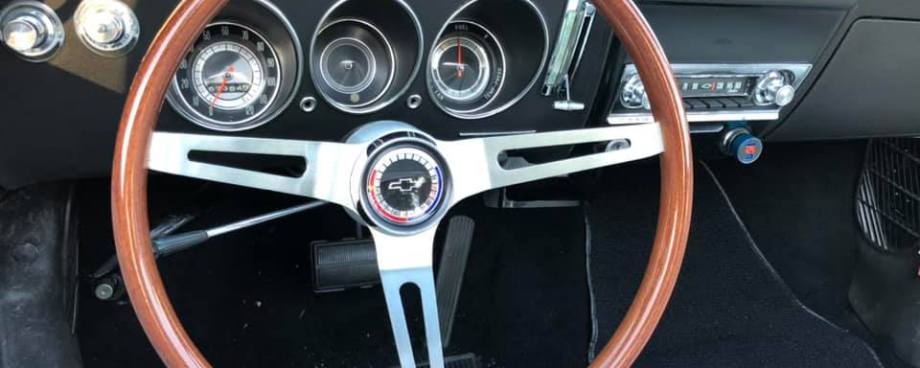
Not only is Seth Emerson a long time SFBA CORSA member, he is also the go to source for the Corvair aftermarket steering wheel and associated assemblies. He also makes the spark plug wires for our Corvairs. You can learn more about that in the engine maintenance section. Give Seth the business and visit his store HERE
 SFBA CORSA