
Original article from Kyle Smith at Hagerty can be found here. We took Kyle’s fantastic article (you should subscribe!) and made it a little more “Corvaircentric”
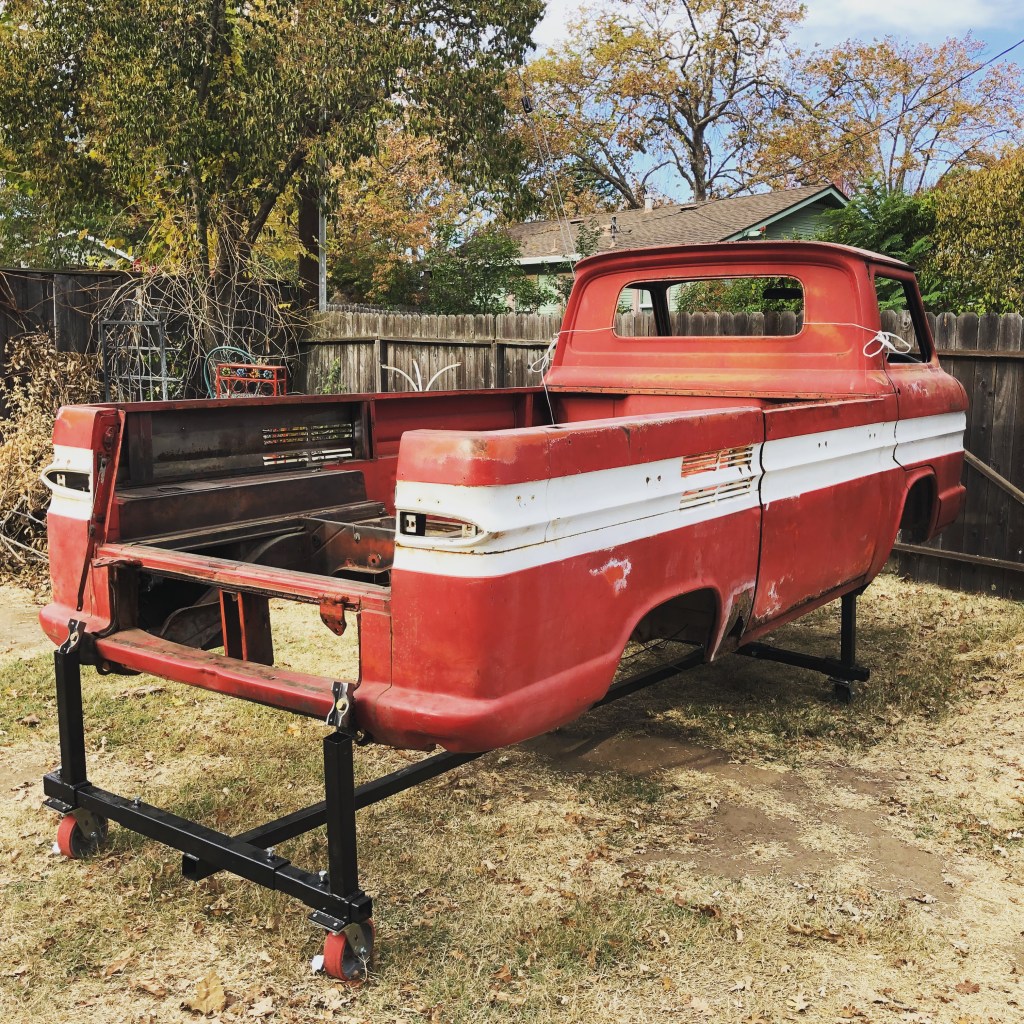
If you are like most car people, you tinker with carburetors or fine-tune fuel injection because cars are an interesting novelty in your life. There are likely fewer people in the automotive hobby who are just here because they love to spend money. Efficient spending is what keeps cars on the road and not parked in a field awaiting the arrival of the Barn Find Hunter or Driveway Finds crews.
Instead, a budget places a spotlight on what money you intend to spend and what you want to get for it. While project cars evolve and change with each part that ends up being nearly all rust when it comes off, it is almost always helpful to have an idea of what you plan to spend before you dive in and start clicking “order now” online. Here are a few rules that can help you succeed in your current or next project.

Don’t Budget At All
Setting no budget is an option for how to handle your spending on a project. Is it the smartest way to go about things? Hard to say, since each project and the person taking it on are unique, and everyone does things for different reasons.
If a project is going to take a long time and move slowly enough that the spending will amount to a trickle compared to other expenses, not setting a budget does have some merit. The thing we work on for fun and entertainment should not be the thing that brings us stress, so not thinking about the money can make sense—but employ this strategy at your own risk. An old Corvair sage once aptly said, “The project should not outpace the pocketbook.”
Another quote that came to mind putting this together was when a new ambitious Corvair owner came to the forum asking about building an alcohol injected 500hp air-cooled monster. An old racer opined, “Anything is possible with mechanical skill and an unlimited budget.”

The Budget Is Only As Solid As The Plan
While it’s possible to place a flat spending restriction on a project car, a budget is best implemented as part of a restoration plan. This can be a complicated and comprehensive line-by-line breakdown of every task and part that will be done and used, or as simple as “gonna rebuild the brakes and get the engine running.” A plan is what helps focus spending.
Take away even the inkling of a plan, and suddenly the bank account is drained, and the car looks great but drives poorly or still breaks down every other drive. Keeping the spending focused helps keep budget overruns in check. If you don’t know what you want to do with your project, how are you supposed to buy the parts you need to do it? Formalize these thoughts and your wallet will thank you.
Another saying to keep in mind when taking on your first project Corvair is “You can only eat the elephant one bite at a time”. When looking at the entire project, it can seem daunting, even overwhelming. When broken down piece by piece, the project seems more manageable and likely more affordable over time. The car needs everything? Start with the brake system. Even if it doesn’t run, it still needs to stop when you’re moving it around. After that, fuel system. After that, engine…etc. The one bite at a time method will also be a check on spending at Clark’s or your favorite Corvair parts vendor.
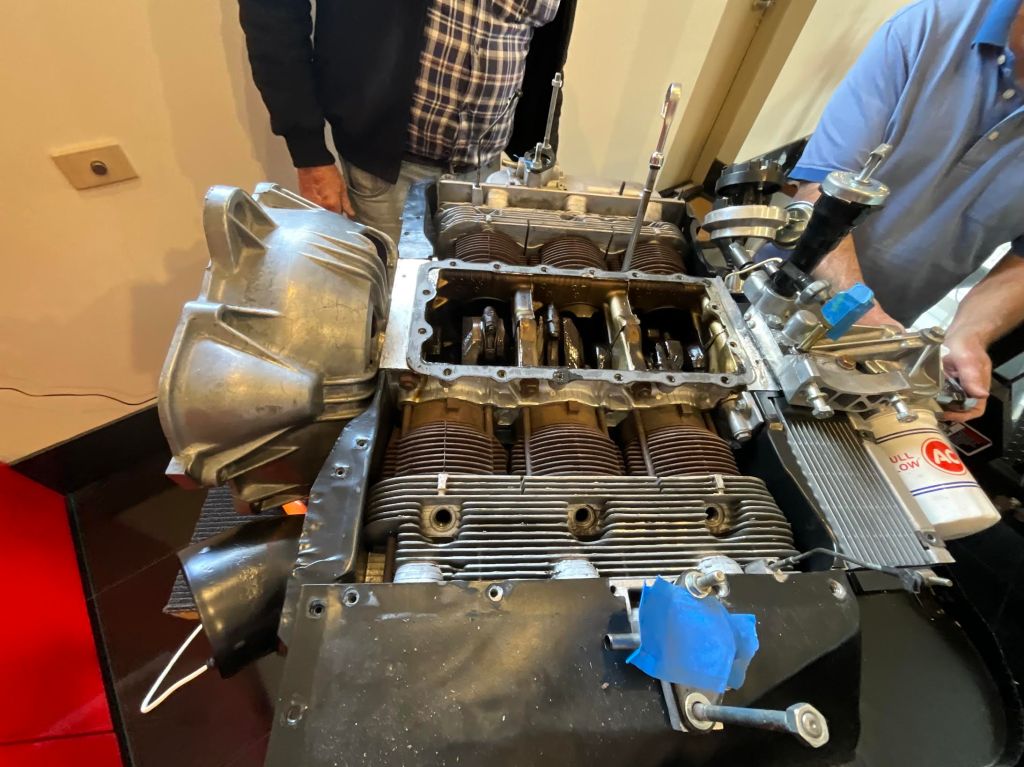
Expect (and plan for) Overruns
For most, a budget is merely a guideline rather than a hard barrier that halts any further progress when reached. Things change in a restoration, and that means sometimes a budget requires revisiting. Going over budget is not the worst thing in most cases, but if the goal is to turn a car around to where it can still be sold without a large financial loss, even small budget overruns can be frustrating and add up fast.
In short, a budget is a goal and likely one of the few goals that is frustrating to reach early. The real world has a way of taking whatever amount of money we have set aside for a project and making it look small. While some say that overruns are 100% going to happen, that is not always true—either way, we still need to be prepared for it.
With our Corvairs, we need to budget in shipping costs with every project. Long gone are the days of being able to find Corvair parts at the local GM parts counter or local auto parts store. While some parts may be interchangeable, it is always advisable to purchase from a known Corvair vendor. Rockauto might have the right part. Clarks definitely will and you can call and talk to a real expert if you’re unsure. Spend the extra penny and save the extra headache.
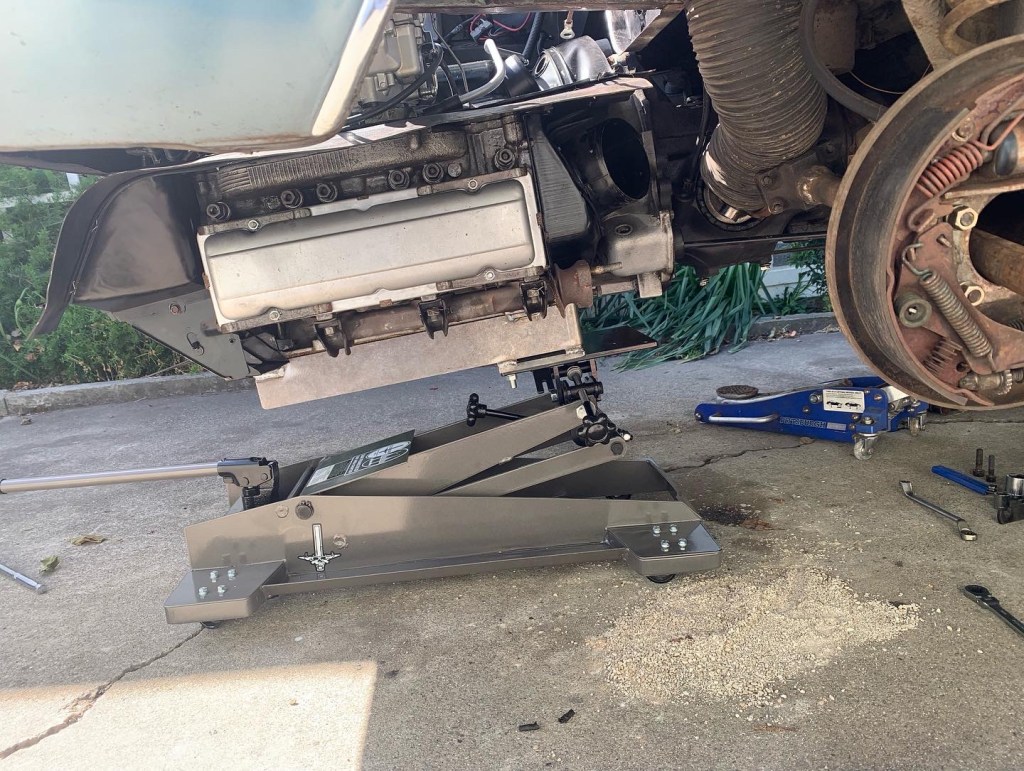
Make A List And Stick To It
As highlighted above, it cannot be recommended enough that a major project car be tackled one system at a time. The best way to do this while managing your budget is to make an accountability list.
For example, let’s say we are going to tackle brakes first. We draw up a list of every component we are going to need for this job. We can use the Clark’s catalog to get this project accurate right down to the last bolt and see exactly how much it is going to cost.
Easy right?
When you decide to get in and under the car, you will inevitably find something else that needs attention. Note it but don’t fix it! It’s a distraction that will completely derail your current project. This will lead to time loss, potential parts loss, frustration and, ultimately, motivation loss. Stay focused on the task at hand. That next needed repair will be waiting for you when you’re ready.
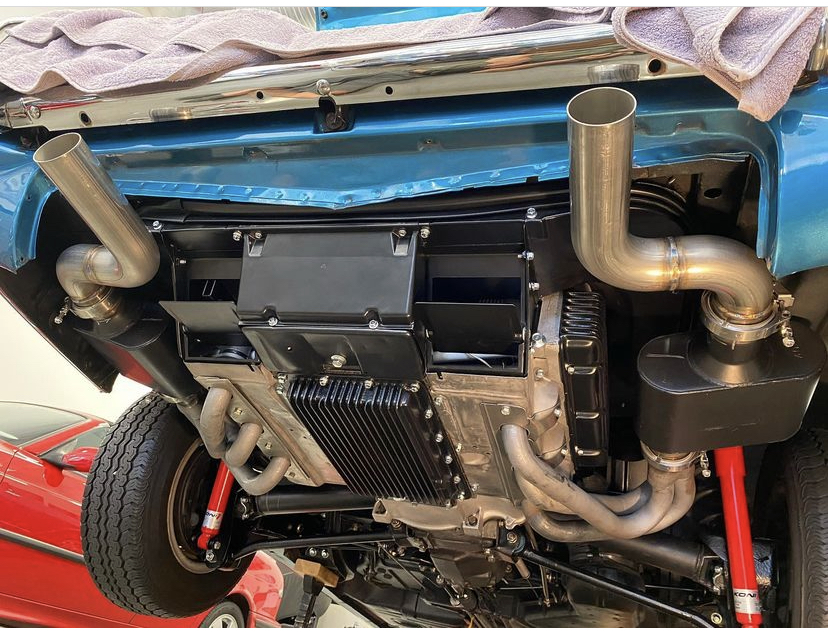
Don’t Count On Sales Or Deals
It’s tough to be realistic about the amount we will spend, especially if you have been around the car world for an extended period of time. That’s because we get very well-versed in “creative accounting,” by which we ascribe emotional value to something, or value a part by what we could have paid rather than by what we did pay. This is dangerous.
In the Corvair world, this topic is a bit of a sticky wick. Deals are out there, but you really only get them if you are lucky or when you are connected. What does this mean? Well, I’m glad you asked. When you join your local Corvair club, you will be connected with local enthusiasts who may have the part you’re looking for or may know where to source it. Often at a discount. Sometimes for free!
SFBA members have made back their dues many times over with parts, tools, or help they have received from fellow members.
If you are not affiliated with a local club, places like eBay, marketplace, craigslist etc. may have your part, but you will likely pay more for it.
Expect To Need A Pause At Some Point
Most of us rarely have the whole amount we plan to spend on a project car on hand when we tow the thing home. That means that saving and planning are critical to continued progress on the heap that now resides in the driveway. Working in stages, as mentioned above, enables tidy pause points to allow the credit card to cool off from all the swipes at the parts counter.
Pausing is also a good time to take inventory of what has been accomplished (good job!) and what still needs to be done. As the paths to completion are never written in stone, it is also a good time to re-assess. Example: The front end wasn’t as bad as I thought it was going to be. Instead of going after that next, maybe I should focus on the electrical system. Or… Re-building the engine is going to cost me a fortune. I don’t have that on hand right now. But, I can afford to rebuild the carbs.
It is recommended to stick to the list by doing one project at a time. That doesn’t mean, however, that the tasks can’t be moved around to address need or adjust for budget.

Make Sure The Boss Is On Board
This rule doesn’t really apply to you swingin’ singles out there.
For those of you that have another name on the checking account, it only seems prudent to consult with that person prior to draining said account on a fine set of wheels or a cam kit. While it may seem coarse to parrot that annoying line about “check with your partner before you call me” that occasionally pops up in for-sale listings, it does have credence.
It’s a budget, which implies confining spending to the money you have, rather than spending someone else’s money at the cost of paying more later. Keeping the checkbook balanced (does anyone actually do that anymore?) will really help dial in the pace at which work can be completed rather than creating a feast and famine situation where parts arrive in sporadic waves, allowing interest to wane in between.
These rules are hardly universal and all-encompassing, but they do come from my experience trying not to go broke building and driving fun cars. What rules have you implemented regarding your spending and budgeting on project cars? We are all looking to save a few dollars and can use the help.
Do you seasoned Corvair owners have any additional advice? Something we missed? A success story or a cautionary tale?
Let us know in the comments!

 SFBA CORSA
Leave a comment